
How to Visit Borobudur Temple: A Complete Guide to Entrance Fees and Hours
Introduction to Borobudur Temple
Visit Borobudur Temple, located in central Java, Indonesia, stands as a testament to the ingenuity and artistic expression of ancient civilizations. Recognized as a UNESCO World Heritage Site, it is one of the largest and most significant Buddhist temples in the world, attracting millions of tourists and scholars alike. The temple, constructed in the 9th century during the reign of the Syailendra Dynasty, showcases the mastery of architectural design and spiritual symbolism.
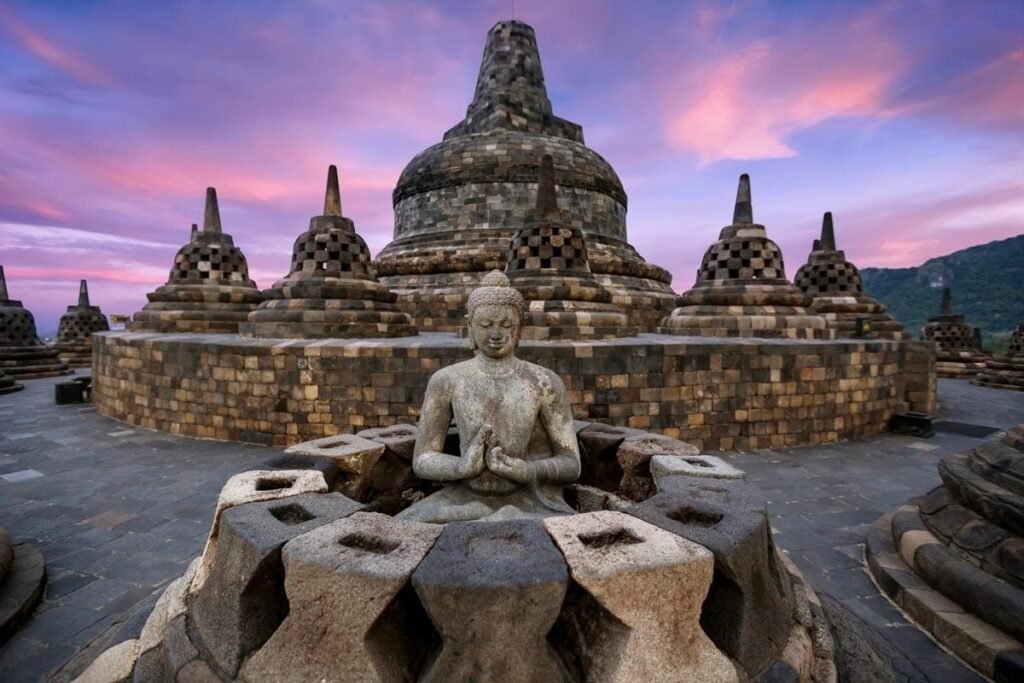
Architecturally, Borobudur is a remarkable structure, built in the form of a colossal Stupa. The temple consists of nine stacked platforms, six square and three circular, topped by a central dome. This meticulous design represents the three realms of Buddhist cosmology, symbolizing a journey from the earthly realm to enlightenment. The temple is adorned with over 2,600 relief panels and approximately 500 Buddha statues, each narrating various teachings and life lessons from Buddhist scriptures.
Historically, Borobudur is not just an architectural marvel but also a spiritual beacon that reflects the teachings of Buddhism. It was constructed as a place of pilgrimage, where devotees would ascend the temple, following the paths of enlightenment. The experience of visiting Borobudur is unique—at sunrise, the temple is enveloped in a mystical fog, creating a serene atmosphere ideal for reflection and meditation.
As visitors explore this historical site, they will encounter not only spectacular views of the surrounding landscape but also engaging opportunities to learn about its rich cultural heritage. With its combination of historical significance, architectural grandeur, and spiritual depth, Borobudur Temple continues to leave a lasting impression on those who visit, making it a must-see destination in Indonesia.
Entrance Fees to Borobudur Temple
Visiting Borobudur Temple, one of the most iconic Buddhist monuments in the world, requires an understanding of the entrance fees associated with this historic site. As of the latest updates, the entrance fee for foreign tourists is significantly higher than that for local residents. Foreign visitors can expect to pay approximately IDR 500,000, while domestic tourists benefit from a much lesser fee of around IDR 50,000. This pricing structure highlights the distinction made between international and local tourists, which aligns with standard practices at major tourist attractions worldwide.
It is worth noting that there are additional costs associated with special access or guided tours. For those interested in a more in-depth exploration of the temple, guided tours are available, which may cost between IDR 300,000 to IDR 600,000, depending on the size of the group and the length of the tour. These guided services enhance the overall visitation experience by providing valuable commentary on the temple’s rich history and cultural significance.
Furthermore, discounts are available for students and larger groups. Students may present their identification cards to receive a reduced rate, often around half of the standard entry fee. Group discounts apply to parties of ten or more, providing the opportunity for a more affordable visit for educational or organizational trips. It is advisable to check the temple’s official website or contact the administration for the most current information regarding fees, as changes may occur periodically. Understanding these costs can help visitors plan their trip accordingly, ensuring an enjoyable experience at this UNESCO World Heritage site.
Visiting Hours and Best Times to Visit
Borobudur Temple, located in Central Java, Indonesia, operates with specific visiting hours that can vary throughout the year. Generally, the temple is open to the public from 6:00 AM to 5:00 PM. However, during certain peak seasons or special events, these hours may change. It is advisable to check the official website or local resources before planning your visit to ensure you have the most accurate information.
The most favorable times to visit Borobudur Temple often align with the cooler months, which typically range from May to September. During this period, the weather conditions are more pleasant, making it an ideal time to explore the expansive grounds of the temple complex. Moreover, early mornings and late afternoons are generally the best times to visit, as you can witness the sunrise illuminating the temple or the sunset casting a beautiful glow over the stupa.
Avoiding weekends and public holidays can also enhance your experience. These periods tend to attract larger crowds, which can detract from the serene experience one typically seeks at this UNESCO World Heritage site. If you’re looking to partake in unique cultural experiences, plan your visit around special ceremonies such as Vesak Day, when Buddhist rituals take place and the temple is beautifully decorated, showcasing the deeply-rooted spirituality of the site.
To fully appreciate the beauty and tranquility of Borobudur Temple, timing your visit is crucial. By opting for off-peak hours and favorable seasons, you can immerse yourself in the temple’s fascinating history without the distraction of large crowds.
Tips for Visiting Borobudur Temple
Visiting Borobudur Temple, a UNESCO World Heritage site, is a remarkable experience that requires careful preparation. Begin by planning your visit early in the morning or during the late afternoon to avoid the crowds and the heat, as this allows you to enjoy a more serene atmosphere while exploring the temple’s intricate details.
When heading to Borobudur, appropriate attire is essential. As a sacred site, visitors should dress modestly; long clothing that covers the shoulders and knees is advisable. This reflects respect for the cultural significance of the temple. Furthermore, comfortable footwear is recommended, as exploring the temple entails walking on uneven surfaces.
Accessing the temple can be done via various means. The most straightforward approach is to hire a local taxi or join an organized tour that typically includes pick-up from your accommodation. Additionally, for those who prefer a more adventurous route, renting a bicycle can be a delightful way to experience the surrounding landscape en route to the temple.
Photography enthusiasts will find Borobudur a stunning backdrop. Early morning light, especially during sunrise, provides breathtaking views of the temple and its intricate carvings. However, keep in mind to be respectful; avoid using flash in areas where it may disturb other visitors or the serene ambiance. Finding the right balance between capturing memories and honoring the sacred nature of the site is crucial.
To enhance your visit, consider exploring nearby attractions. The Mendut and Pawon temples, located close to Borobudur, offer additional insights into Buddhist architecture and history. Engaging with local guides can also enhance understanding of the temple’s rich cultural narratives, making your visit unforgettable.