Toraja Cultural & Trekking Tour, one of Indonesia’s most exotic islands, is a paradise for travelers seeking a combination of rich culture and breathtaking natural landscapes. Among its most fascinating destinations is Toraja, a region known for its elaborate funeral ceremonies, distinctive Tongkonan houses, terraced rice fields, and remote trekking trails. Whether you are a culture enthusiast or an adventure seeker, a Toraja cultural and trekking tour offers experiences that are both immersive and unforgettable.
This comprehensive guide covers everything from planning your trip, detailed itineraries, trekking routes, cultural insights, photography tips, local cuisine, to a practical packing checklist.
Why Toraja Is a Must-Visit Destination
Toraja Cultural & Trekking Tour is more than a travel hotspot; it is a living museum of ancient traditions and lush landscapes. Here’s why it attracts thousands of tourists every year:
Unique Cultural Heritage
Toraja Cultural & Trekking Tour – famous for its funeral rituals, which are elaborate, multi-day ceremonies. These rituals involve ritualistic dances, buffalo sacrifices, and intricate music performances. Funerals are not somber events but celebrations of the deceased’s life, showcasing the community’s unity and respect for ancestors.
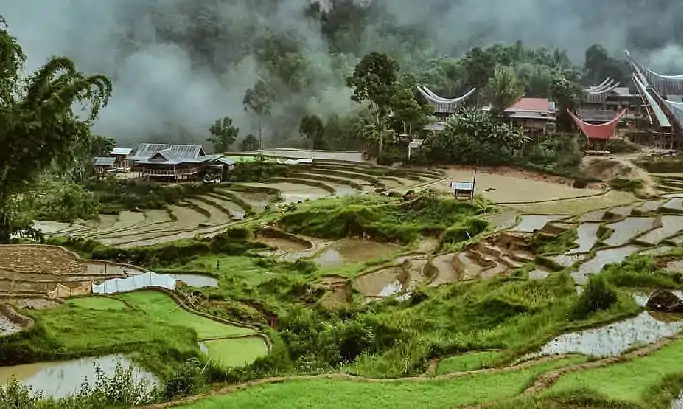
The region is also home to Tongkonan houses, traditional wooden homes with striking boat-shaped roofs. These houses are more than architecture—they are cultural symbols representing family heritage, social status, and community identity. Visitors often marvel at the intricate carvings and the vibrant motifs that tell stories of Toraja history.
Breathtaking Natural Landscapes
Toraja Cultural & Trekking Tour are equally impressive. From rolling hills and teraced rice fields to rivers and waterfalls, the region is a haven for trekkers and photographers. Popular trekking routes pass through remote villages, ancient grave sites carved into cliffs, and lush valleys filled with rice paddies. Every step of a trek is an opportunity to connect with nature and local culture.
Best Time to Visit Toraja
Timing your visit is crucial for a successful cultural and trekking tour.
Dry Season (April to October): Ideal for trekking and exploring outdoor sites. The trails are safer, and visibility for photography is excellent.
Rainy Season (November to March): Some trekking paths may become slippery or inaccessible, and ceremonies may be less predictable.
Additionally, check local schedules if you want to witness traditional ceremonies—these are often scheduled around important family or agricultural events.
Sample 5-Day Toraja Cultural & Trekking Itinerary
For a fully immersive experience Toraja Cultural & Trekking Tour, a 5-day itinerary balances cultural exploration with nature trekking.
Day 1 – Arrival and Cultural Orientation
Rantepao: The cultural heart of Toraja. Explore local markets, traditional crafts, and souvenir shops.
Tongkonan Houses: Visit the main Tongkonan houses to understand architectural and symbolic details.
Local Dinner: Try Toraja specialties such as Pa’piong (fish or meat cooked in bamboo).
Day 2 – Heritage Villages and Cliff Graves
Kete Kesu Village: Home to ancient Tongkonan houses and traditional rice barns (alang). Explore the cliff graves and megalithic stones that date back hundreds of years.
Lemo Cliff Tombs: Trek to the cliffside graves with wooden effigies called Tau Tau. Photography is ideal in the late afternoon when shadows create dramatic effects.
Evening Cultural Performance: Attend traditional dance or music performance if available.
Day 3 – Trekking through Terraced Hills
Buntu Pune Hill Trek: Moderate trek offering panoramic views of terraced rice fields and valley landscapes.
Remote Village Visits: Meet local farmers, learn about traditional planting techniques, and experience rural Toraja life.
Overnight Homestay: Stay with a local family for authentic cultural immersion.
Day 4 – Waterfalls and Nature Trails
Sarambu Assing Waterfall: Short trek to a serene waterfall, perfect for relaxation and photography.
Batu Tumbang Trek: Explore smaller trails through lush forests and rice terraces, offering peaceful landscapes away from tourist crowds.
Photography Opportunities: Early morning and late afternoon are best for soft natural light and vibrant scenery.
Day 5 – Culinary and Souvenir Tour
Toraja Coffee Plantation: Learn how Toraja coffee is cultivated, processed, and roasted. Enjoy a tasting session.
Traditional Cuisine: Try more local dishes and snacks, including sate pa’piong and Toraja-style pork.
Souvenir Shopping: Batik, wood carvings, and woven textiles are ideal keepsakes.
Popular Trekking Routes in Toraja
Here are some Toraja Cultural & Trekking Tour trails that combine cultural landmarks and natural beauty:
Rantepao – Lemo – Kete Kesu
Difficulty: Easy to moderate
Highlights: Cliff graves, Tongkonan houses, traditional villages
Distance: 5–7 km
Buntu Pune Hill Trek
Difficulty: Moderate
Highlights: Panoramic rice terraces, valley views, sunset photography spots
Distance: 6 km round trip
Sarambu Assing Waterfall Trail
Difficulty: Easy
Highlights: Scenic waterfall, forest trail, natural pools
Distance: 3 km round trip
Cultural Etiquette in Toraja
Respecting local customs ensures a meaningful experience:
Ask Permission for Photos: Especially during rituals or family ceremonies.
Dress Modestly: Cover shoulders and knees when visiting villages or ceremonies.
Observe Silence During Sacred Ceremonies: Funerals are celebrations but still sacred events.
Learn Basic Local Phrases: Greetings like “Ma’gellu” (hello) are appreciated.
Toraja Cuisine to Try
Toraja’s culinary offerings are as unique as its culture:
Pa’piong: Fish or meat cooked in bamboo over hot coals.
Sate Pa’piong: Skewered meat, grilled with local spices.
Toraja Coffee: Known for its strong, aromatic flavor, often served in traditional clay pots.
Local Snacks: Sweet rice cakes, cassava, and banana treats.
Photography Tips for Toraja Tours
Golden Hour: Early morning and late afternoon light enhance landscapes and village scenes.
Drone Shots: Capture terraced fields and valley panoramas from above (ask permission first).
Ceremonial Photos: Use a zoom lens to avoid intruding during sacred rituals.
Portraits: Engage with locals for authentic shots but always ask before taking pictures.
Practical Packing Checklist for Toraja Trekking
Comfortable trekking shoes
Lightweight, breathable clothing
Rain jacket or poncho (in case of rain)
Hat, sunglasses, and sunscreen
Reusable water bottle
Small backpack for essentials
Camera or smartphone with extra batteries
Snacks for trekking
Basic first-aid kit
Optional: Toraja Culturarl & Trekking Tour poles for steep trails, insect repellent, and binoculars for birdwatching.
Safety Tips for Toraja Tours
Always hire a local guide for trekking routes and village visits.
Check weather conditions before heading out on trails.
Avoid trekking alone, especially on remote paths.
Keep a copy of important documents and a local SIM card for emergencies.
Respect local rules regarding ceremonies and sacred sites.
Where to Stay in Toraja
Rantepao: The main town with hotels, guesthouses, and homestays.
Homestays in Villages: Offer cultural immersion and authentic local experiences.
Eco-Lodges: Near trekking routes and natural attractions.
Conclusion
A Toraja Cultural & Trekking Tour is an unforgettable journey into one of Indonesia’s most unique regions. From witnessing spectacular funeral rituals, exploring Tongkonan houses, trekking through terraced hills, to tasting local delicacies, Toraja offers a blend of adventure, culture, and natural beauty that few places in the world can match.
With careful planning, local guidance, and respect for traditions, visitors can experience the authentic heart of Sulawesi and leave with memories that last a lifetime.