Slow Travel in Sumba: A Journey Through Culture, Tradition, and Nature
Introduction to Slow Travel and Sumba
Slow travel in Sumba is a growing movement in the tourism industry, focusing on immersive experiences that foster deeper connections with local cultures and the environment. Unlike traditional travel that often prioritizes speed and convenience, slow travel encourages tourists to savor their journeys, take their time, and engage meaningfully with the places they visit. This philosophy advocates for a more sustainable approach, minimizing the environmental impact while maximizing cultural interaction. By embracing slow travel, participants can cultivate a richer understanding of their surroundings, allowing for a personal and transformative experience.
Sumba, an island located in Indonesia, perfectly embodies the essence of slow travel. Nestled between Flores and Sumbawa, Sumba is renowned for its stunning natural landscapes, which range from pristine beaches and rugged hills to lush green valleys. The island is also celebrated for its vibrant cultural heritage, featuring unique traditions, intricate weaving practices, and ceremonies that connect the local people to their ancestors. Sumba’s remote location and relatively undeveloped tourism infrastructure make it an ideal setting for those pursuing an authentic and leisurely travel experience.
Visitors to Sumba have the opportunity to explore traditional villages, where they can witness age-old customs and partake in local rituals. This engagement not only enriches the travel experience but also supports the communities and ensures the preservation of their cultural identities. Moreover, the natural beauty of Sumba beckons adventurers to hike through unspoiled landscapes, swim in crystal-clear waters, and immerse themselves in the tranquility of island life. As we delve into Sumba’s culture, traditions, and breathtaking scenery, the slow travel philosophy will enhance our understanding and appreciation of this remarkable destination.
Cultural Immersion: Engaging with Sumbanese Traditions
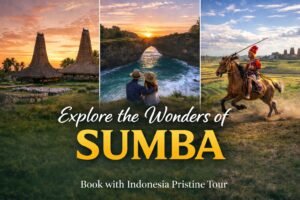
Sumba, an island situated in Indonesia, is rich in unique cultural practices and traditions that define the Sumbanese way of life. Cultural immersion is at the heart of the slow travel experience here, enabling visitors to engage deeply with local customs and heritage. One of the most significant cultural events in Sumba is the Pasola War, an ancient ritual that involves a thrilling horseback showdown between different clans. This traditional event, held annually, is a vibrant display of bravery, skill, and community cohesion, offering travelers the opportunity to witness and understand the intricate rituals surrounding this event.
In addition to the Pasola War, Sumba hosts various ceremonies that celebrate life events such as births, marriages, and funerals, providing ample chances for visitors to observe these rich traditions. Engaging with local artisans also plays a crucial role in understanding Sumbanese culture. Traditional crafts such as weaving and carving are not just skills; they’re also expressions of identity and belonging. Locally woven fabrics known as Ikat showcase intricate designs that often tell stories of the weaver’s clan and heritage. Participating in weaving workshops allows travelers to appreciate the time-honored techniques and the significance of each pattern.
Moreover, engaging with the Sumbanese in their daily lives can foster a deeper understanding of their customs. Sharing meals, partaking in local festivals, or simply conversing with the locals about their beliefs and stories provides invaluable insights into the cultural heart of Sumba. Such interactions enable travelers to see beyond the surface and connect with the community on a more meaningful level. Through these immersive experiences, one can appreciate the resilience of Sumbanese traditions and their importance in preserving cultural identity. The island thus serves as a rich backdrop for anyone seeking an authentic and enriching travel experience.
Exploring Sumba’s Breathtaking Natural Landscapes
Sumba, an island in Indonesia, is renowned for its awe-inspiring natural landscapes that range from pristine beaches to rugged hilltops and lush valleys. The diverse ecosystems found on the island contribute to its charm, making it an ideal destination for those who embrace slow travel. This approach, focused on experiencing a destination at a leisurely pace, enables travelers to immerse themselves in Sumba’s fascinating environment fully.
Visitors to Sumba can revel in the captivating beauty of its coastline. The island boasts some of the most stunning beaches in Indonesia, such as Weekuri Lake and Mandorak Beach, where turquoise waters meet golden sands. These serene locations are perfect for reflection, allowing travelers to appreciate the natural artistry created by the merging of land and sea. Engaging in slow travel activities like swimming, sunbathing, or reading by the shore can significantly enrich one’s experience.
Beyond the beaches, Sumba’s dramatic landscapes invite exploration through various hiking trails that wind through its rugged hills and valleys. One of the most popular trekking routes leads to the iconic Wairinding Hill, which offers views that are nothing short of breathtaking. The surrounding area is dotted with unique flora and fauna, including endemic species that highlight the island’s ecological diversity. Birdwatching enthusiasts will also find abundant opportunities to observe various bird species that make this region their home.
A visit to Sumba would be incomplete without experiencing its natural landmarks, such as the impressive Batu Pondu, a rock formation that holds cultural significance for the local communities. Such places deepen visitors’ understanding of the island’s geography and cultural ties to the land. As travelers journey through Sumba’s landscapes, they gain a profound appreciation for the tranquility and beauty that come from this immersive experience.
Sustainable Practices and Community Engagement in Slow Travel
Embarking on a slow travel journey through Sumba necessitates a keen awareness of sustainable practices that not only enrich the travel experience but also significantly benefit local communities and the environment. The principle of sustainable tourism lies in creating a harmonious balance between tourism activities and the preservation of natural resources. In Sumba, travelers are encouraged to adopt a mindful approach, ensuring that their presence contributes positively to the well-being of local inhabitants.
Community-based tourism initiatives are pivotal in fostering a sustainable travel ecosystem in Sumba. These initiatives empower local residents by providing them with opportunities to share their rich cultural heritage and generate income from tourism. Engaging with locally-run accommodations, guided tours, and artisanal craft markets allows visitors to appreciate the authenticity of Sumbanese culture while directly supporting the local economy. A practical tip for travelers is to seek out homestays or local guesthouses, as these not only offer genuine cultural immersion but also ensure that a larger share of the funds remain within the community.
Conservation efforts are another integral aspect of sustainable travel. Sumba’s unique biodiversity, including its endemic flora and fauna, deserves protection against the pressures brought on by tourism. Travelers can partake in conservation programs that focus on wildlife protection and environmental sustainability. By participating in beach clean-ups or tree-planting activities, tourists can play an active role in preserving the natural beauty of Sumba.
Respectful interaction is vital when Slow Travel in Sumba. Visitors should approach local customs and traditions with sensitivity, understanding that their actions can have lasting impacts on the community’s social fabric. Engaging with locals through meaningful conversations, purchasing handmade crafts, and participating in traditional ceremonies can enrich the travel experience while ensuring that the cultural essence of Sumba is honored.