
Raja Ampat Diving Guide: Best Dive Sites, Marine Life, and When to Go
Introduction to Raja Ampat
Raja Ampat Diving is an extraordinary archipelago located off the northwest tip of Papua, Indonesia. Comprising over 1,500 small islands, cays, and shoals, it represents one of the most stunning marine environments on the planet, showcasing unparalleled coral reefs and an abundance of marine life. This region is not only famous for its breathtaking landscapes but also for its significant biodiversity, making it a prime location for conservation and research.
The geographical features of Raja Ampat are both diverse and picturesque, with limestone formations, dense jungles, and pristine beaches contributing to the overall allure of the islands. The archipelago is surrounded by the Coral Triangle, a marine area recognized for its rich underwater habitats. These features have earned Raja Ampat the title of a premier diving destination, attracting scuba divers from around the globe eager to explore its vibrant underwater ecosystems.
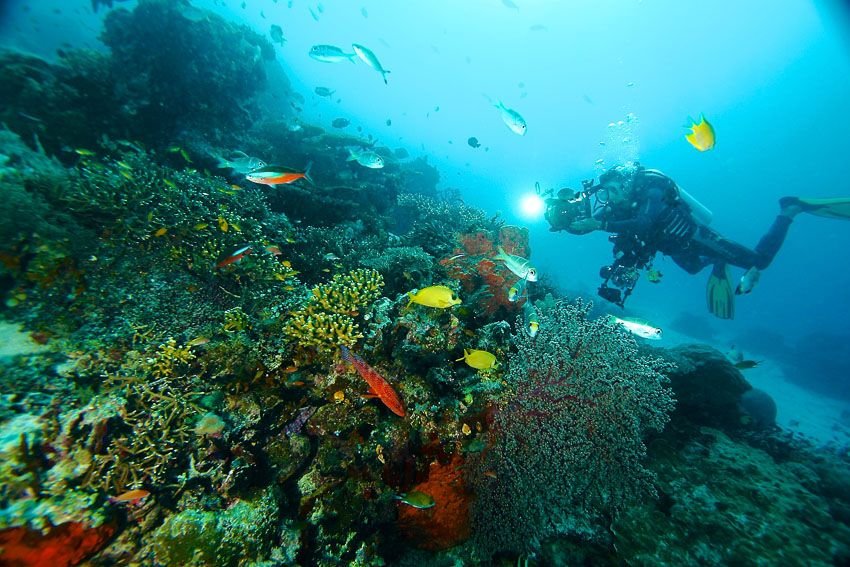
Diving in Raja Ampat offers vivid encounters with an extraordinary range of marine fauna, including colorful coral reefs, various species of fish, and unique marine creatures. The shallow waters provide the perfect environment for new divers, while experienced ones can explore deeper dive sites that feature dramatic underwater landscapes and prolific marine biodiversity.
This guide aims to give readers valuable insights into the best dive sites in Raja Ampat, highlight the spectacular marine life that can be found here, and discuss the best times of year to visit for optimal diving experiences. Whether you are a novice or seasoned diver, Raja Ampat promises an unforgettable adventure in a breathtaking natural setting.
Top Dive Sites in Raja Ampat
Raja Ampat Diving, renowned for its unparalleled marine biodiversity, offers a plethora of exceptional dive sites that cater to divers of all experience levels. Among these, Cape Kri stands as a remarkable highlight. Known for holding the world record for the most diverse marine species spotted in a single dive, Cape Kri features vibrant coral reefs and a plethora of marine life, including schools of trevally, barracuda, and the occasional reef shark. This dive site is easily accessible and offers conditions suitable for novice divers, along with deeper areas for the advanced.
Another notable dive site is Manta Sandy, which lives up to its name by providing divers with opportunities to observe majestic manta rays up close. The site boasts crystal-clear waters and excellent visibility, making it ideal for photographers and underwater enthusiasts alike. Divers can expect to see not only mantas but also a variety of pelagic fish and colorful coral structures. Strong currents often characterize this diving location, thus it is recommended for confident divers who are comfortable navigating such conditions.
Blue Magic, often revered by seasoned divers, is another must-visit location noted for its underwater topography and abundant marine encounters. Divers can experience breathtaking vertical walls covered in corals, where large pelagic species such as reef sharks and various schools of fish are commonly observed. The dive site can be accessed by liveaboard trips, allowing shorter travel times and more dive opportunities. Due to its depth and prevailing currents, Blue Magic is best suited for advanced divers seeking thrilling underwater experiences.
Other locations such as the Sardines and Chicken Reef complete the list of prime dive sites in Raja Ampat. Each site presents unique characteristics and a diverse range of marine life, ensuring that divers are treated to new experiences at every turn. When planning dives, understanding the dive conditions and accessibility of each site can significantly enhance the overall diving experience in this underwater paradise.
Marine Life in Raja Ampat
The marine biodiversity in Raja Ampat Diving is among the richest in the world, making it a prime destination for divers and marine enthusiasts. This Indonesian archipelago is home to over 1,500 species of fish and 600 species of coral. Such a vast array of marine life creates a vibrant underwater ecosystem that thrives in the warm, clear waters of the region.
Raja Ampat Diving allows one to encounter a variety of unique species, such as the endemic Raja Ampat epaulette shark and the elusive walking shark. The coral reefs here are not only visually stunning but also play a critical role in supporting the diverse marine life. Healthy coral formations provide essential habitats for numerous fish species and other organisms, highlighting the importance of coral conservation in the area.
In addition to the common reef inhabitants, divers may have the opportunity to spot some of the more majestic marine animals that frequent these waters. Seasonal wildlife encounters include graceful manta rays gliding through the currents, hawksbill turtles navigating the reefs, and reef sharks patrolling their territory. These experiences not only enhance the thrill of diving but also offer invaluable insights into the intricate dynamics of the underwater ecosystem.
As human activity continues to impact marine environments around the globe, Raja Ampat’s reefs face challenges from climate change, overfishing, and pollution. Therefore, marine conservation efforts are vital in preserving this unique biodiversity. By raising awareness about the health of these ecosystems and actively participating in conservation programs, divers and visitors can help maintain the ecological balance that makes Raja Ampat a diver’s paradise, ensuring it remains an awe-inspiring destination for generations to come.
Best Time to Dive in Raja Ampat
The Raja Ampat archipelago, known for its breathtaking underwater landscapes and diverse marine life, attracts divers from around the globe. To make the most of your diving experience, it is essential to consider the optimal times for your visit. Generally, the best months to dive in this stunning region are from October to April. During these months, the seas are typically calm, providing excellent visibility and minimal currents, which are key factors for an enjoyable diving experience.
From October to December, water temperatures range between 28°C to 30°C (82°F to 86°F), ensuring comfort while exploring the vibrant coral reefs. This period is particularly favorable as diverse marine life, including various species of fish and colorful corals, is abundant. Additionally, reef sharks and manta rays can often be spotted, making these months prime for unforgettable encounters.
As the new year progresses into January through March, divers can expect similar pleasant conditions. However, January may bring some rain, while February and March generally see improved weather and higher visibility levels. Following this period, April signifies the end of the rainy season, ensuring clearer skies and ideal diving conditions. For those seeking solitude, early October and late April tend to be less crowded, providing a more serene diving experience away from the peak months.
To maximize your diving adventure, it is advisable to plan your trips according to your specific interests in marine life and environmental conditions. Always check local weather forecasts and consult with experienced dive operators in the area to receive the most accurate and current information. With careful planning, your diving experience in Raja Ampat Diving will undoubtedly be rewarding.