A Glimpse into Toraja: Geography and Society
The Toraja highlands, located in the Sulawesi region of Indonesia, present a striking geographical setting that significantly influences the lifestyle and culture of its inhabitants. Characterized by lush green hills, steep cliffs, and deep valleys, the area is predominantly mountainous, creating a breathtaking landscape that attracts both tourists and researchers alike. The climate in the Toraja region is tropical, maintaining high humidity levels and consistent rainfall, particularly during the monsoon season. This climatic condition fosters an agrarian society, with rice, coffee, and various fruits being staple agricultural products. The rich soil supports a vibrant ecosystem that is intimately tied to Torajan agricultural practices.
Socially, the Toraja community is organized around familial connections and kinship. Their society is hierarchical, deeply influenced by tribal affiliations and traditions. At the heart of the community is the extended family unit, which plays a foundational role in social interactions and economic activities. Population demographics reveal a predominantly Christian population, a result of missionary influence during the colonial period, coexisting with indigenous spiritual practices that still hold a significant place in Torajan culture. This unique blend of beliefs fosters a society where traditional rituals and modern influences coexist, often enriching the cultural tapestry.
The societal structure of Toraja is marked by a strong adherence to customs and rituals, which are integral in every aspect of life from birth to death. The ceremonial activities, especially funerals, are elaborate and showcase a rich cultural heritage influenced by both indigenous and external elements. These traditions not only reflect the historical background of the Toraja people but also their resilience and adaptability in a rapidly evolving world. In summary, the geographical and societal characteristics of Toraja create a unique culture that is deeply embedded in its landscape and traditions.
Core Traditions of the Toraja People
The Toraja people, indigenous to the highlands of Sulawesi, Indonesia, are renowned for their rich cultural heritage, which is reflected in their various traditions, arts, and culinary practices. One of the most striking aspects of Toraja culture is their traditional attire. The intricate and colorful clothing is not merely decorative; it carries deep symbolism and historical significance. Typically made of woven fabric adorned with intricate patterns, each piece of clothing signifies the wearer’s social status, age, and gender. For instance, married women often wear distinct garments that feature elaborate embroidery, indicating their roles within the community.
Additionally, local crafts play a critical role in preserving Toraja cultural identity. The craftsmanship involved in creating elaborate wooden sculptures, traditional homes, and funeral rites’ paraphernalia can be seen as a form of storytelling, encapsulating the people’s history and beliefs. The iconic Tongkonan houses, with their distinctive boat-shaped roofs, are not only functional residences but also serve as symbols of Toraja identity and community cohesion. Each Tongkonan is unique, painted with various motifs that depict ancestral spirits and social lineage, further intertwining art with cultural significance.
Culinary practices among the Toraja people also showcase rich traditions. Dishes often feature a variety of meats, particularly pork, which is central to many ceremonies. The preparation methods are often elaborate, involving communal efforts that strengthen relationships among families and friends. Rituals surrounding food highlight the importance of hospitality and community in Toraja life. In this way, culinary traditions serve as both sustenance and a mechanism for cultural continuity, holding importance in both daily life and special occasions.
Rituals and Ceremonies: Life and Death in Toraja
The Toraja people of Sulawesi, Indonesia, possess a rich cultural heritage that is profoundly expressed through their rituals and ceremonies, particularly those surrounding birth, marriage, and death. These events are not merely personal milestones; they reflect the community’s values and beliefs, showcasing a deep respect for both the living and the deceased. Among these, the funeral rites hold a special place, renowned for their complexity and significance.
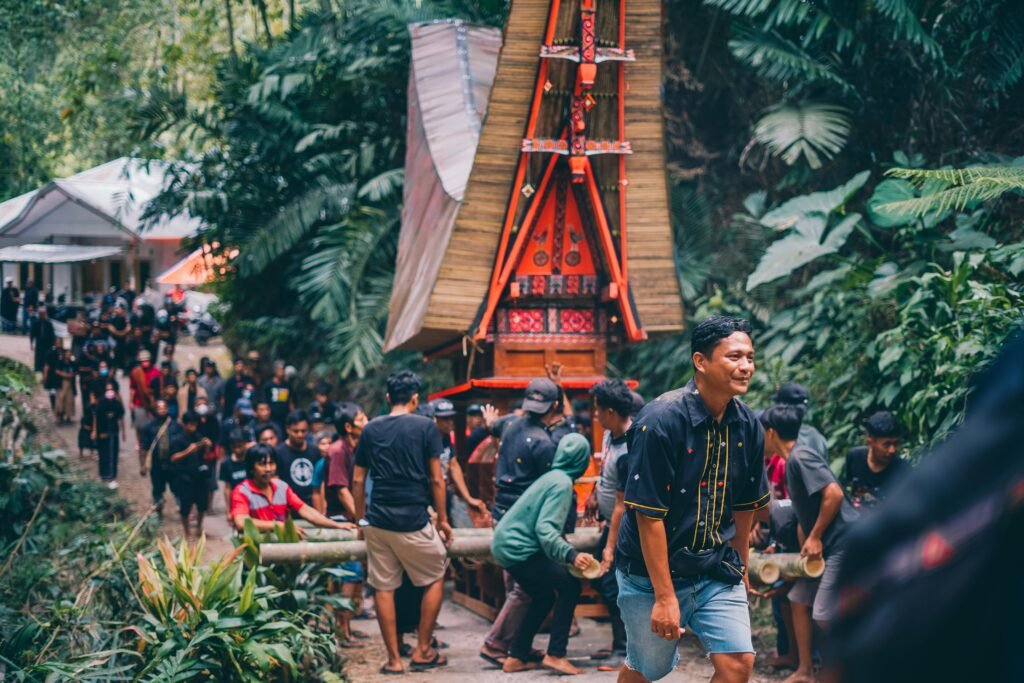
For the Toraja, death is not the end but a transition. The elaborate funeral ceremonies are a demonstration of this belief, where the deceased are celebrated and honored. These rites can take several days and involve an array of rituals, including the slaughtering of livestock, intricate music performances, and the construction of ornate wooden coffins. Families invest significant resources into these events, as a lavish funeral is viewed as a symbol of respect and a way to ensure the deceased’s safe journey to the afterlife.
Moreover, the rituals surrounding birth and marriage are equally elaborate and culturally significant. Birth ceremonies often incorporate offerings to please ancestral spirits, ensuring that the newborn is protected and welcomed into the community. Marriage rituals are marked by formal negotiations between families, and the union is celebrated with vibrant festivities that often include traditional dances and feasts. These ceremonies reinforce social bonds and communal ties throughout Toraja society.
Through these rituals, the Toraja people express their worldview—intertwining the physical and spiritual realms. The significance of ancestors in their culture is highlighted during these events, as it is believed that ancestors continue to play an active role in the lives of their descendants. This connection illuminates the Toraja’s unique perspective on life and death, where every ceremony serves to strengthen the fabric of their cultural identity.
The Land of the Highlands: Nature and Sustainability
The Toraja region, often referred to as the “Land of the Highlands,” showcases a breathtaking natural environment characterized by lush mountainous landscapes and fertile valleys. The unique topography creates a diverse ecosystem that supports various agricultural practices essential for the local community’s sustenance and cultural identity. The Toraja people have traditionally relied on their surroundings, cultivating crops like rice, cassava, and coffee, which not only serve as food sources but also hold deep cultural significance.
Sustainable living in the highlands is rooted in the Toraja philosophy of harmony with nature. The community practices agroecology, which includes organic farming techniques and crop rotation to maintain soil fertility and reduce dependency on chemical fertilizers. The practice reflects a deep understanding of their environment and an effort to ensure its health for future generations. Additionally, traditional methods of farming are passed down through generations, reinforcing the connection between the Toraja people and their land.
However, the Toraja highlands face numerous challenges, particularly from modernization and external influences. Deforestation and land conversion for commercial agriculture due to economic pressures have led to biodiversity loss and environmental degradation. These changes pose a threat not only to the traditional farming practices but also to the spiritual significance of the land, as many cultural rituals are interwoven with the natural environment.
In response to these challenges, local initiatives are emerging to promote sustainability and environmental preservation. Community workshops aim to educate residents on sustainable farming techniques while highlighting the importance of maintaining their cultural heritage. By integrating modern sustainable practices with traditional knowledge, the Toraja people strive to safeguard their remarkable landscapes and ensure that their customs endure amidst the pressures of modernization.