
The Ultimate Guide to Traveling to Sumba: Flights, Costs, and Essential Tips for First-Time Visitors
Getting to Sumba: Flight Options
Traveling to Sumba, an enchanting island in Indonesia, begins with securing the right flights. The main gateway to Sumba is its capital, Waingapu, which is serviced by several domestic flights. The most common route involves flying into either Bali’s Ngurah Rai International Airport or Yogyakarta’s Adisutjipto International Airport before connecting to Waingapu. Airlines such as Garuda Indonesia, Wings Air, and Lion Air offer regular services to Sumba, making it relatively straightforward for travelers.
For those seeking the most efficient journey, direct flights are preferable. However, options may be limited depending on the season and demand. Flights connecting through major Indonesian cities typically involve short layovers, turning what could be a long journey into a manageable experience. Generally, the best time to book flights to Sumba is around two to three months in advance, as this allows for better pricing and seat availability. However, last-minute deals can sometimes be found if travelers remain flexible with their schedules.
When navigating airports in Indonesia, it is essential to be aware of the travel norms and processes specific to each airport. Waingapu Airport is relatively small, and while it can be busy, the infrastructure is adequate and efficient for travelers. To check current flight prices and availability, utilizing online travel aggregators or airline websites is recommended, enabling travelers to compare different carriers and find the best deals. Remember to verify baggage restrictions and layover times to ensure a seamless travel experience.
Cost Breakdown: Flights and Accommodation
Traveling to Sumba can be an enriching experience; however, it is essential to plan and budget accordingly. The costs associated with flights to Sumba can significantly vary based on the departing location. On average, round-trip flights from major cities such as Jakarta or Bali can range from $150 to $300. Travelers from farther destinations, such as Europe or North America, may expect to pay between $800 and $1,500, often including a connecting flight to Indonesia.
When planning your stay, accommodation options in Sumba cater to a diverse range of budgets. For travelers seeking economical lodging, several guesthouses can be found, with prices starting at approximately $20 per night. Mid-range hotels offer additional comfort and amenities, with rates typically around $50 to $100 per night. If you are inclined towards luxury, Sumba boasts villas and upscale resorts, where nightly rates can easily exceed $200, providing breathtaking views and personalized services.
Besides flights and accommodation, it’s important to consider other expenses during your stay in Sumba. Airport transfers can cost between $10 and $30, depending on the distance and mode of transport. Dining options are reasonably priced; meals at local restaurants often range from $5 to $15, allowing you to savor authentic Indonesian cuisine. Finally, activities such as guided tours or excursions can add to your travel expenses, with prices varying based on the experience offered, generally costing between $30 to $100.
By understanding these essential cost elements, first-time visitors can more effectively budget for their trip to Sumba, ensuring a smooth and enjoyable experience on this stunning island.
Essential Tips for First-Time Visitors
Traveling to Sumba can be an enriching experience, but it is essential for first-time visitors to be well-prepared. Understanding the local culture and customs is crucial. Sumba is known for its rich traditions, so travelers should make an effort to respect and engage with the local community. Learning basic phrases in the local languages, such as Sumbanese or Indonesian, can facilitate communication and show respect.
When planning your trip, it is vital to ensure that you have the necessary travel documents. A valid passport is mandatory, and many visitors will require a visa to enter Indonesia. Make sure to consult the Indonesian Embassy or a reliable travel source to confirm the specific visa requirements for your nationality.
Safety is another important consideration when visiting Sumba. Always be aware of your surroundings and take precautions against petty crime, which can occur in crowded areas. Ensure that you have travel insurance that covers health issues and unforeseen circumstances. Additionally, keep your passport and valuables secured in a safe place.
Cultural etiquette plays a significant role in Sumbanese society. For example, dress modestly, especially when visiting religious sites or local villages. It is also advisable to ask permission before taking photographs of the local people or their rituals. Participating in traditional ceremonies can be a highlight of your visit, but being respectful is paramount.
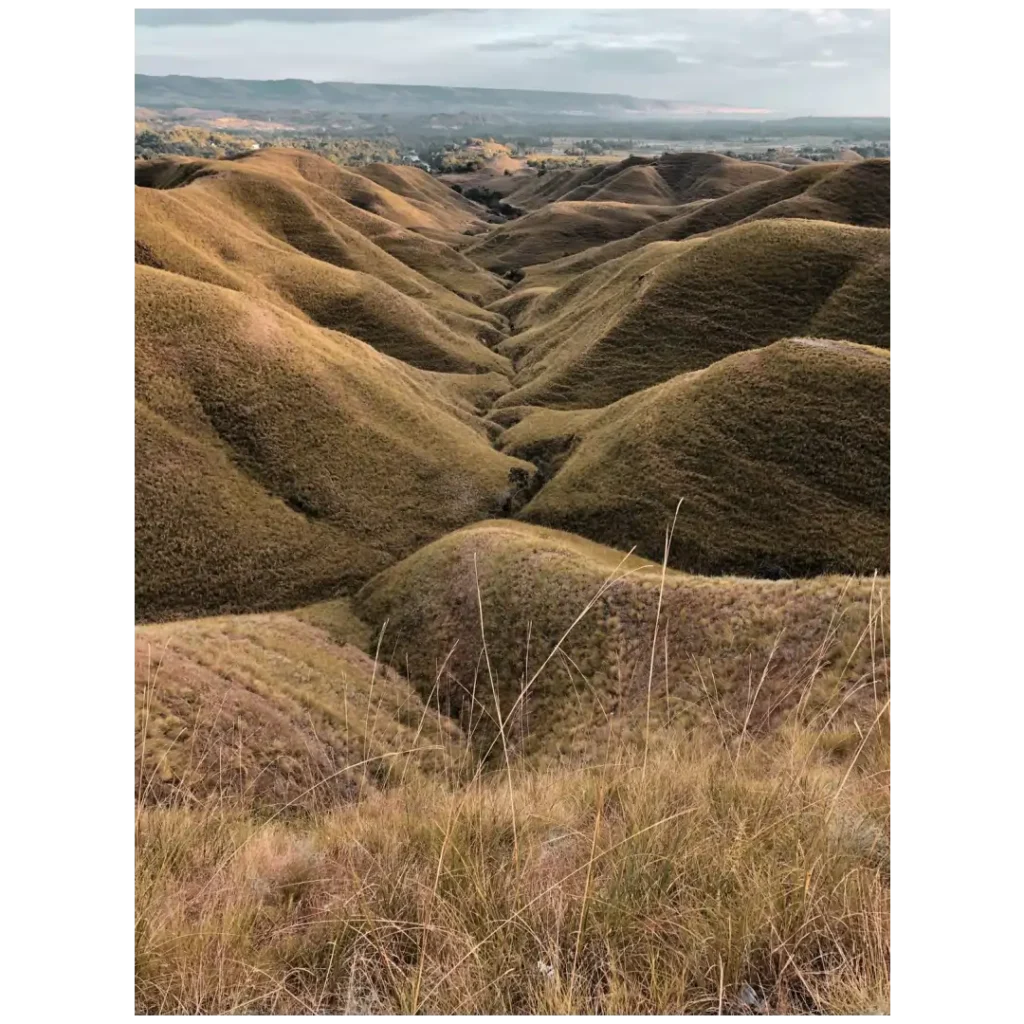
In terms of health precautions, it is wise to be up-to-date with vaccinations and to carry insect repellent to avoid mosquito bites. Further, drink only bottled water to prevent waterborne illnesses. As for activities, do not miss the opportunity to explore the stunning landscape of Sumba, including its pristine beaches and unique soumat. Engaging in cultural experiences, such as the weaving traditions or ceremonial events, will enhance your travel experience significantly.
Navigating Sumba: Transportation and Local Amenities
Traveling around Sumba can be a rewarding experience, offering a chance to immerse yourself in the island’s stunning landscapes and rich culture. To navigate the island effectively, several transportation options are available. Rental cars are a popular choice among tourists, as they provide the flexibility to explore remote areas at your own pace. Local car rental services are available near the airport and in major towns. However, visitors should ensure they possess an international driver’s license and are comfortable driving on winding, often unpaved roads.
For those preferring not to drive, public transportation, which includes bemos (minivans) and angkots (shared taxis), is a budget-friendly alternative. These vehicles can be found throughout various towns, making it easy to travel between popular destinations. While public transport may not adhere to strict schedules, it offers an authentic local experience. Additionally, hiring local guides can enhance your visit; they often know the best routes, as well as hidden attractions that may not be accessible by conventional transport.
When it comes to local amenities, Sumba has a range of facilities to support visitors throughout their stay. Grocery stores are prevalent in larger towns like Waingapu and Kupang, offering basic supplies and local products. Pharmacies and medical facilities are also available, though it is advisable to bring a basic medical kit for minor ailments, as healthcare resources can be limited in remote areas. Keeping safety in mind, travelers are encouraged to stay aware of their surroundings and use reliable transport services whenever venturing into unfamiliar territories.