
Raja Ampat Slow Travel Guide: Exploring Indonesia’s Most Remote Islands at a Relaxed Pace with Indonesia Pristine Tours
Understanding Slow Travel in Raja Ampat
Raja Ampat Slow travel, a concept that emphasizes mindful exploration, encourages travelers to take their time, fully appreciating their surroundings and engaging with the local culture. In the enchanting region of Raja Ampat, Indonesia, this approach offers unique advantages, allowing visitors to experience the islands and their communities more profoundly. Opting for slow travel means immersing oneself in the breathtaking landscapes, vibrant marine ecosystems, and the rich tapestry of local traditions that define this remote area.
One of the primary benefits of slow travel in Raja Ampat is the opportunity for deeper cultural immersion. Rather than rushing between sites, travelers can spend time connecting with the local communities, learning about their customs, practices, and daily lives. This connection fosters greater understanding and respect for the cultures, allowing one to appreciate not just the sights but also the stories and histories behind them.
Additionally, slow travel in Raja Ampat encourages a closer appreciation of nature. With its pristine coral reefs, lush rainforests, and stunning vistas, the islands are a paradise for those looking to experience true tranquility. Travelers adopting this leisurely pace can enjoy activities such as snorkeling, hiking, or simply relaxing on serene beaches, basking in the island’s beauty without the pressures of a tight itinerary. By immersing themselves in the region’s untouched landscapes, visitors can cultivate a sense of gratitude and wonder toward the incredible biodiversity that thrives in this area.
The practice of slow travel ultimately sets the stage for an enriching experience in Raja Ampat. By prioritizing quality over quantity, travelers can explore at a more comfortable pace while forming lasting memories and connections, truly embodying the essence of this spectacular destination.
Top Remote Islands to Explore
Raja Ampat Slow Travel Guide is an archipelago that boasts some of the most remote islands in Indonesia, each offering a distinctive blend of natural beauty, rich marine biodiversity, and cultural experiences. Among the many islands, three stand out for their unique features: Wayag, Misool, and Gam.
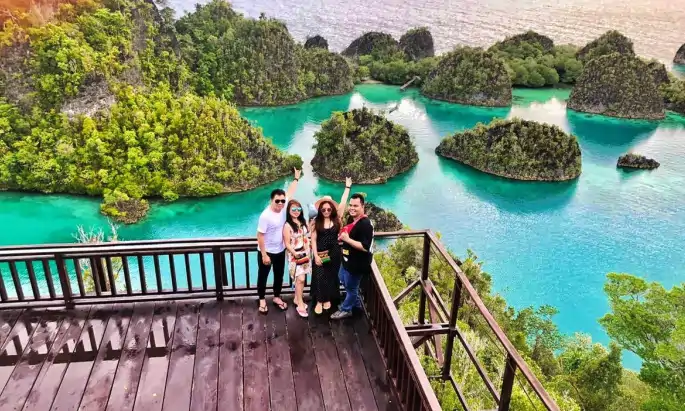
Wayag Island is renowned for its breathtaking limestone karsts that rise dramatically from the turquoise waters, creating a picturesque landscape that has become a prime subject for photographers. Visitors can easily access Wayag via speedboat from Waisai, the capital of Raja Ampat, which takes approximately two hours. The best time to visit Wayag is between November and May when the weather is dry and the sea conditions are calm. Activities such as snorkeling or diving in the vibrant coral reefs surrounding the island provide a direct encounter with diverse marine life.
Misool Island, located in the southern part of Raja Ampat, offers some of the best snorkeling opportunities in the world. With its stunning coral reefs, unique rock formations, and rich cultural heritage, Misool is ideal for those seeking adventure and exploration. The island can be reached by liveaboard or through a boat charter from Waisai. The optimal months to visit Misool are from October to April. Visitors can engage in snorkeling expeditions or enjoy guided tours to discover ancient rock art, providing a glimpse into the island’s historical significance.
Gam Island, known for its lush jungles and vibrant birdlife, is a haven for eco-tourists and nature enthusiasts. This island is prominent for the stunning Wayag viewpoint, which presents a panoramic view of the surrounding seascape. Gam can be accessed by a short boat ride from Waisai, making it a convenient destination. The best time to visit is during the dry season, from November to March. Travelers can partake in bird-watching tours, jungle hikes, and cultural interactions with local communities, enriching their travel experiences.
Sustainable Travel Practices
As the stunning archipelago of Raja Ampat becomes a increasingly popular travel destination, the importance of sustainable travel practices cannot be understated. Sustainable tourism is vital for preserving the natural beauty and ecological diversity that define these remote islands. One way travelers can minimize their impact on the environment is by selecting eco-friendly accommodations. Many lodges and resorts in Raja Ampat have adopted sustainable practices, including the use of renewable energy sources, waste reduction programs, and water conservation measures. By choosing to stay at these establishments, travelers can help ensure that tourism contributes positively to the local ecosystem.
Participating in conservation efforts is another effective way to engage in sustainable travel. Travelers can join guided tours that include programs focused on coral reef restoration, wildlife monitoring, and beach clean-up initiatives. These experiences not only enhance the traveler’s understanding of the local environment but also contribute to the conservation of the unique habitats found in Raja Ampat. Furthermore, supporting local communities by purchasing handmade crafts and dining at locally-owned restaurants helps stimulate the local economy and empowers residents.
It is equally important to respect local customs and traditions while visiting these remote islands. Engaging with the community in a respectful manner fosters positive relationships and promotes cross-cultural understanding. Indonesia Pristine Tours emphasizes sustainable tourism by collaborating with local villagers to create authentic experiences that respect their way of life. By prioritizing sustainable travel practices, visitors to Raja Ampat Slow Travel can enjoy the breathtaking landscapes while contributing to the protection and preservation of this extraordinary destination for future generations. Ultimately, sustainable tourism is essential for ensuring the delicate balance between exploration and conservation, making it a shared responsibility among travelers and tour operators alike.
Creating Lasting Memories: Tips for Your Trip
When embarking on a slow travel experience in Raja Ampat, thoughtful preparation is key to ensuring a fulfilling adventure. Consider packing lightweight and comfortable travel gear that suits the tropical climate. Essential items such as breathable clothing, sturdy sandals, and a reliable hat can enhance your comfort as you explore the beautiful islands. A quality camera or smartphone is also advisable to capture the stunning landscapes and vibrant marine life that this paradise has to offer.
The culinary landscape of Raja Ampat Slow Travel presents an opportunity to indulge in local flavors. Be sure to try traditional dishes like Papeda, a staple that pairs wonderfully with fish, and Sago, which is unique to the region. Additionally, fresh seafood caught daily is widely available and highly recommended. Participating in a cooking class or food tour can provide deeper insights into the local cuisine while fostering connections with the community.
Cultural etiquette plays a vital role in the slow travel experience. Always greet locals with a smile and respect their customs, especially when visiting traditional villages. It is customary to dress modestly, particularly in rural areas, to show respect for local norms. Photography should be approached with sensitivity; asking for permission before taking pictures in private settings can help avoid misunderstandings.
Lastly, remember to take time to relax and fully immerse yourself in the serene environment of Raja Ampat Slow Travel. Slow down your pace to truly appreciate the stunning sunsets, vibrant coral reefs, and the sounds of the island. Engage with local customs and share your experiences with fellow travelers. This mindful approach to travel not only cultivates personal growth but also leaves you with cherished memories that will last a lifetime.